

The first spare parts order should cover replaceable coolant and air filters, approved lubricants, and low-cost parts that could stop the machine while you wait for delivery. Depending on the configuration, those may include pull studs, coolant fittings, specified fuses, tool changer sensors, and solenoid valves. Add probe styli and through-spindle coolant service parts only if those systems are fitted.
Ask for filters sufficient for one or two service changes and a separate quote for one of each critical, long-lead-time part. Do not automatically include a spare spindle, drive, or ball screw. Check delivery times, installation requirements, and downtime costs first.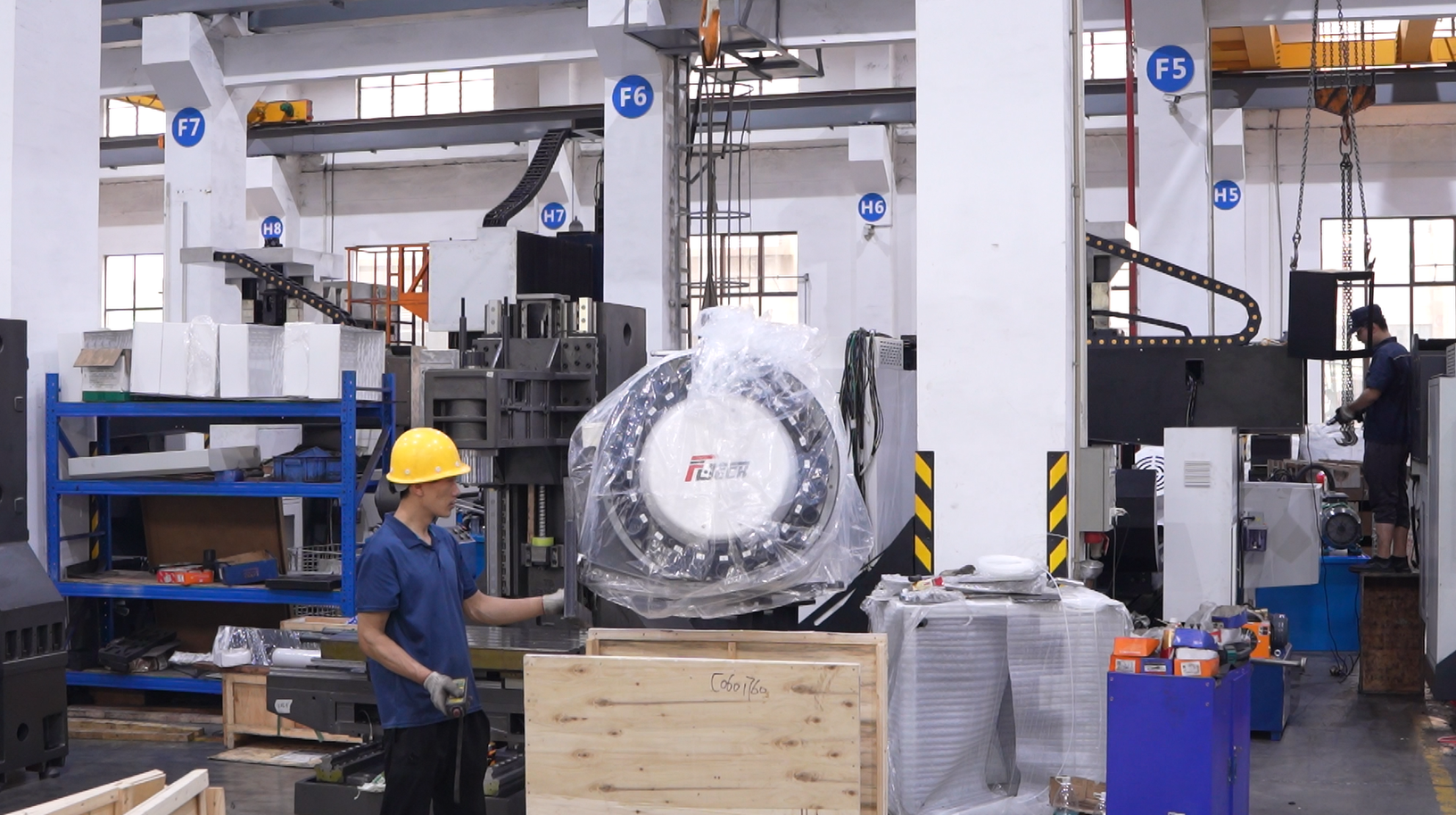
The quantities below are quotation starting points, not manufacturer stocking requirements. Calculation examples are hypothetical. Deduct usable spares supplied with the machine before ordering.
Spare Parts to Include
| Item | Initial Quantity to Assess | Details to Confirm |
|---|---|---|
| Replaceable coolant filters and bags | Enough for 1–2 service changes per type | Part number, filtration rating, flow capacity, quantity per change |
| Air filter elements | Enough for 1 service change per type | Housing model, filtration grade, seals |
| Approved oil and grease | Expected use until replenishment arrives | Product specification, lubrication point, pack size, shelf life |
| Pull studs, collets, and collet nuts | 1–2 of each critical specification in use | Toolholder compatibility, dimensions, speed and coolant requirements |
| External coolant nozzles, hoses, and fittings | 1–2 of frequently damaged or difficult-to-source items | Pressure rating, connections, fluid compatibility |
| Specified fuses and replaceable relays | 1–2 of selected critical types | Full model number, electrical ratings, mounting arrangement |
| Critical sensors and solenoid valves | 1 per selected type if delivery exceeds acceptable downtime | Supply voltage, signal, function, connections, installation location |
| Coolant and lubrication pumps | Quote separately if replacement supply is slow | Flow, pressure, power supply, connections, installation requirements |
If a filter assembly uses two cartridges per service, stock for one or two changes means two to four cartridges. Exclude washable elements unless the manufacturer recommends a spare. Use the machine’s maintenance instructions to set service intervals; the UK Health and Safety Executive gives the same advice for equipment maintenance.[1]
Parts That Need an Exact Match
Toolholding Components
The LJ-855 vertical machining center lists a BT40 spindle and a 24-position tool magazine. Neither specification identifies the required pull stud. Confirm its thread, effective length, head geometry, and coolant passage against the spindle requirements.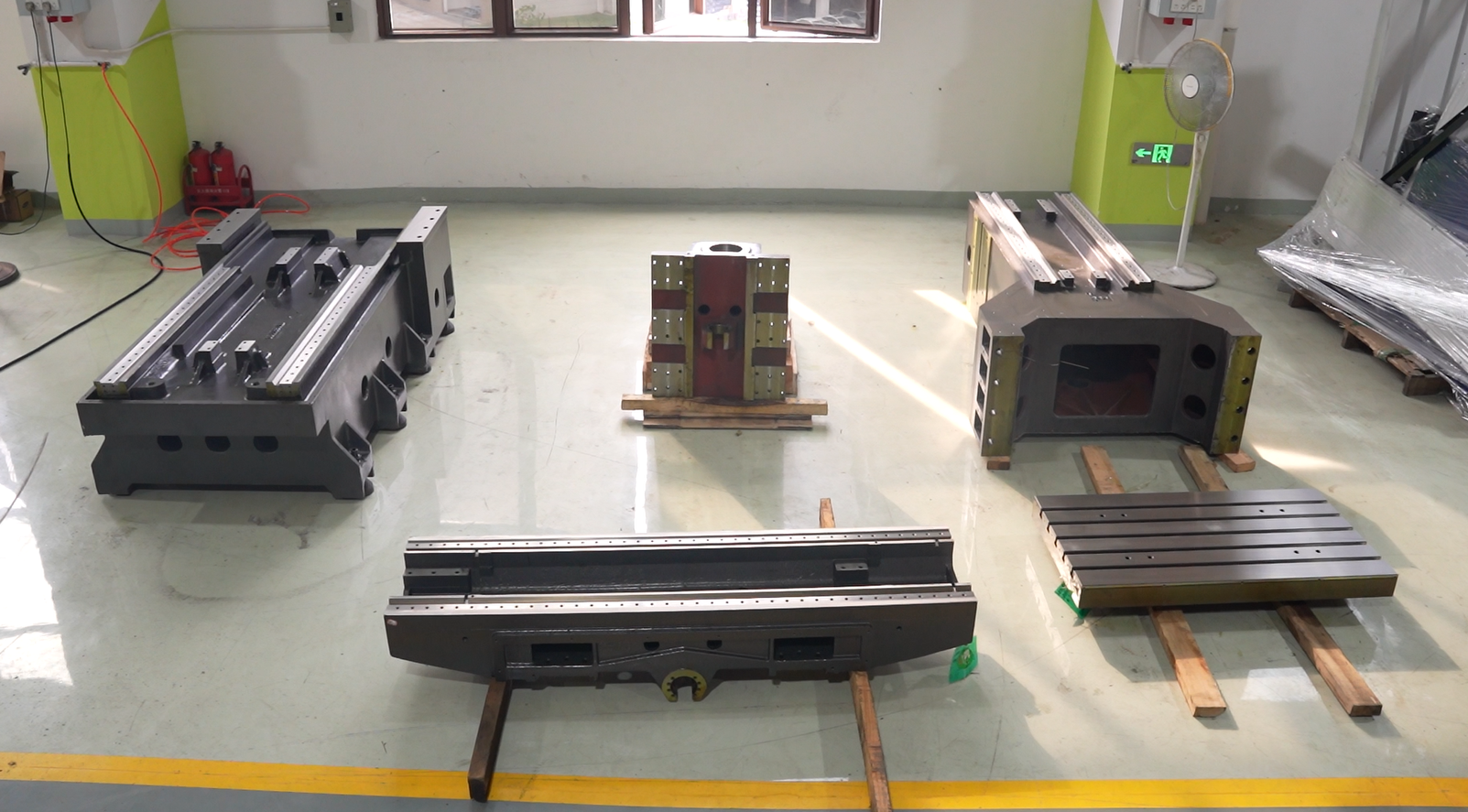
A pull stud fits the toolholder; the spindle pull claw belongs to the internal clamping mechanism. They are separate replacement items. HSK interfaces use a different clamping arrangement.
For collets, match the series, clamping range, and nut to the holder and tool shank. A 6 mm tool shank needs a collet approved for that diameter, not simply a collet with a similar opening.
Filters and Fluid Lines
Filters with the same outside dimensions may have different flow limits and filtration ratings. An unapproved finer element can increase pressure drop and restrict supply.
Check pressure, thread or fitting type, and material compatibility for every hose and seal. Flood coolant, through-spindle coolant, and hydraulic circuits may require different parts. If the machine has a separate hydraulic workholding system, obtain its service parts list from the fixture supplier.
Electrical Components
A 24 V rating alone does not identify a sensor. Check PNP or NPN output, normally open or normally closed operation, sensing distance, connector, and installation dimensions. Match solenoid valves by full model number or an approved replacement specification.
Fuses must match current, voltage, breaking capacity, and operating characteristic. Repeated failures require diagnosis. Do not increase the current rating to keep the machine running.
Spare Parts for Machine Options
| Installed Equipment | Parts to Assess | Replacement Requirements |
|---|---|---|
| Automatic tool changer | Applicable pockets, grippers, springs, locating parts, and sensors | Match the mechanism revision; complete required adjustments and tool-change checks |
| Through-spindle coolant | Dedicated filters, approved seals or service kits; rotary union availability | Match the system and pressure rating; check leakage and coolant delivery |
| Probe or tool setter | One spare stylus per critical type; specified batteries for battery-powered units | Match length, ball diameter, and thread; recalibrate after a stylus change |
| Rotary axes or pallet changer | Applicable clamp sensors, seals, and dedicated cables | Complete the manufacturer’s positioning, clamping, or exchange checks |
| Chip conveyor | Model-specific drive parts, overload protection parts, and connectors | Confirm the conveyor model and drive arrangement |
Every repair kit should list its contents and the repair it covers. Do not assume a tool changer kit includes parts for every mechanism. Buy CNC or encoder batteries against the system’s maintenance schedule and shelf-life requirements, rather than adding them to every new-machine order.
How Much Stock to Hold
Consumables
Suppose a specified lubrication circuit is expected to use 0.8 L per month. Three months would require 2.4 L. With 0.4 L of the correct, unexpired product available, the net requirement is 2.0 L before adjusting for pack size. Replace the estimate with recorded consumption after commissioning, excluding leaks and abnormal use.
For continuously monitored filter stock, a simple reorder point is consumption during replenishment lead time plus safety stock. Two filters per month, a one-month lead time, and two safety-stock filters gives a reorder point of four.
With no outstanding orders or reserved demand, reorder at four. If the target stock is eight, buy four more. A periodic stock-check system needs additional coverage for demand between checks.
Failure Parts
A sensor that takes 10 working days to arrive will not meet a two-working-day downtime limit. Compare the cost of holding it with the loss caused by waiting, then check whether an available technician can fit and verify it. Stocking the part removes delivery delay only; diagnosis and repair still take time.
Expensive Assemblies
A hypothetical spare costing CNY 6,000 could avoid CNY 8,000 in losses if it shortens actual downtime by 16 hours at CNY 500 per hour. That is the benefit from one corresponding failure, not an annual saving. The purchasing decision also depends on failure likelihood, storage costs, and compatibility over time.
For spindles, drives, CNC boards, and ball screws, confirm installation tools, parameter setup, and calibration support. If you use supplier stock or exchange units instead, obtain the stock location, delivery estimate, exchange conditions, and service availability in writing.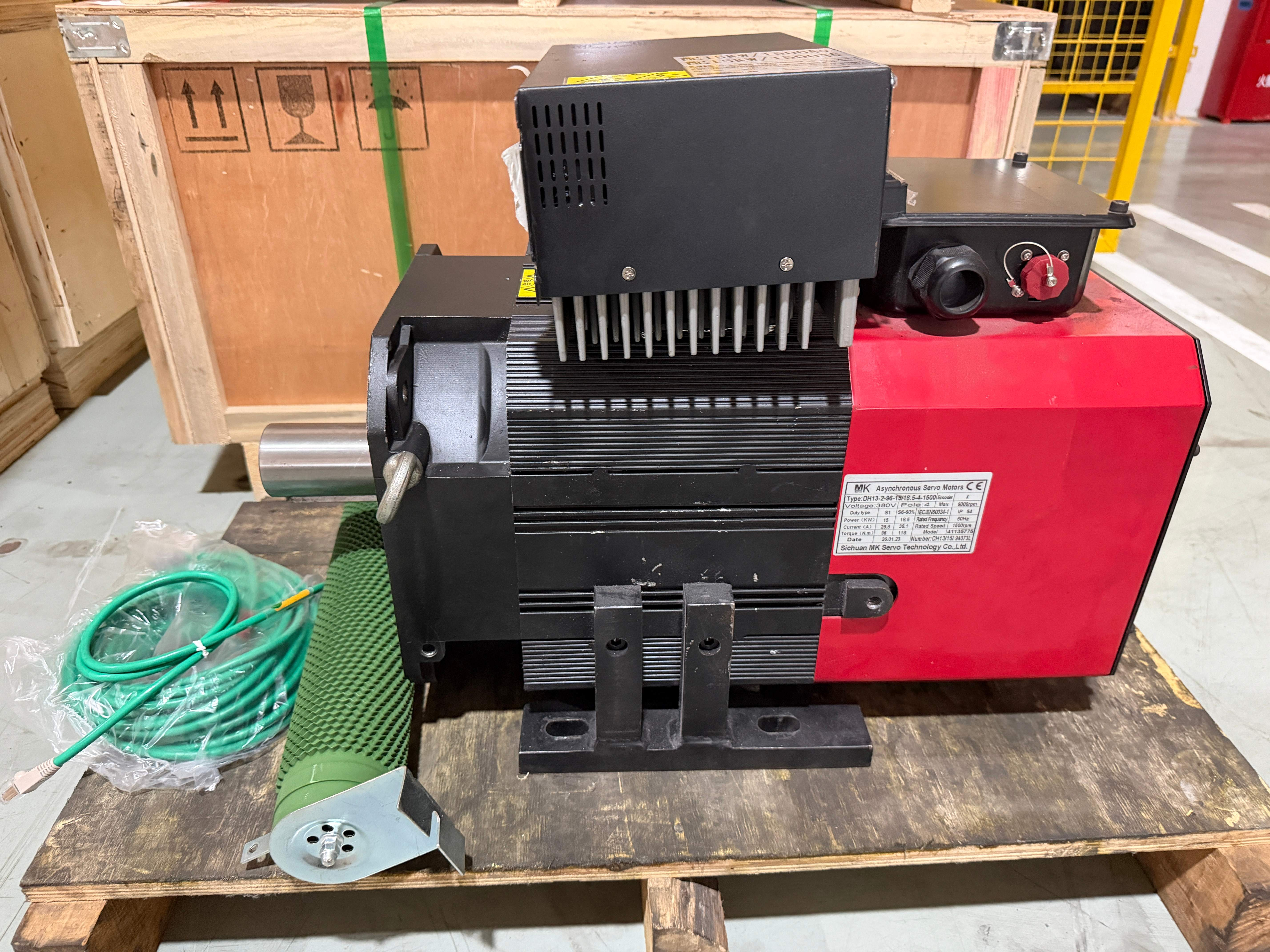
What the Supplier Must Confirm
- Compatibility: Machine serial number, final configuration, complete part number, and revision. Before a serial number is assigned, use the order reference and reconfirm against the delivered machine.
- Quantity: Spares included with the machine, additional quantities, and itemized kit contents.
- Cost: Unit price, pack size, freight, taxes, and installation or commissioning charges.
- Delivery: Arrival date and whether the parts ship with the machine. Lead times must distinguish working days from calendar days.
- Warranty: Consumable coverage, approval requirements for buyer-sourced replacements, and exchange arrangements.
- Storage: Shelf life and any moisture, static, or temperature requirements.
Attach the agreed list to the purchase order. Check separate shipments against installation, trial-run, and first-service dates.
Receiving and Maintenance Records
Check labels, part numbers, quantities, and packaging on arrival. Record the assigned machine, shelf location, stock balance, open orders, and reorder point. Update the balance after each receipt or issue. After 30 days of production, review the initial consumption estimates and actual supplier lead times.
Follow the system-specific procedure for CNC and encoder battery changes; power requirements differ. For servicing covered by US OSHA’s lockout/tagout standard, authorized personnel must isolate hazardous energy, control stored energy, and verify isolation before work. The standard also specifies checks before equipment returns to service.[2]