

CNC Machining vs Casting: How to Choose for Metal Parts
Choose CNC machining when you need a few parts, expect design changes, or need accurate holes and mating surfaces. Choose casting when the shape is difficult to cut from solid stock and your production volume can justify tooling. For many production parts, the practical answer is both: cast the body, then machine only the bearing bores, threads and sealing faces. There is no universal order quantity where casting becomes cheaper; compare total costs for your drawing.
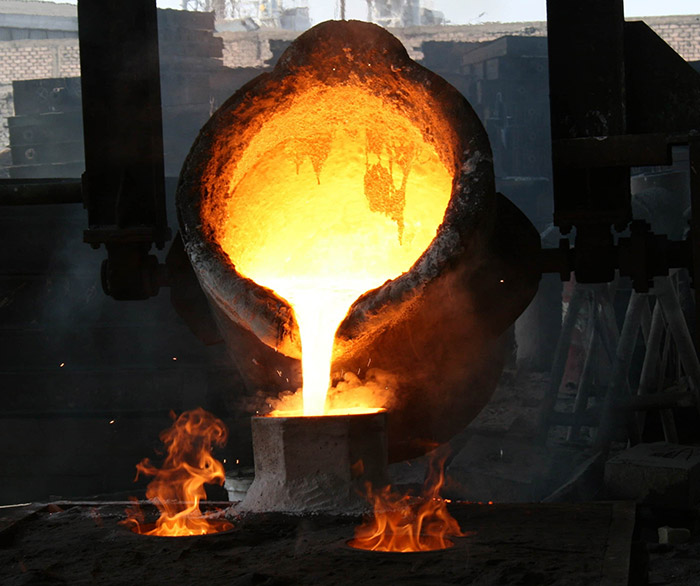
The American Foundry Society uses tolerance, surface finish, alloy, volume and delivery time when teaching casting-process selection—rather than a single quantity cutoff.[1]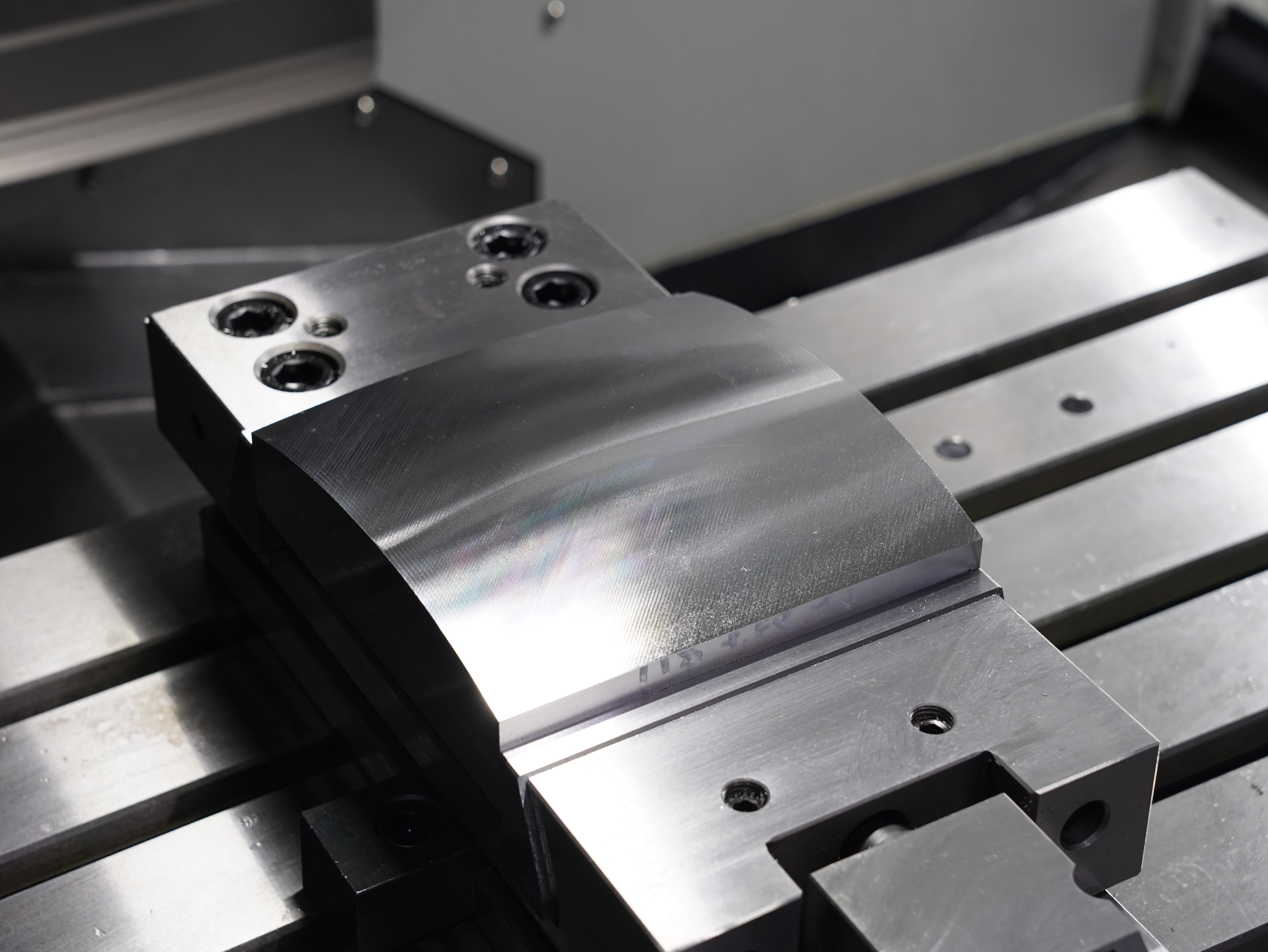
| What matters most | Usually worth quoting first | What to check |
|---|---|---|
| Prototype or changing design | CNC | No casting tool to remake after a geometry change |
| Large iron housing or machine base | Sand casting + CNC | Core design, machining allowance and finished mounting faces |
| Repeated aluminum or zinc housing | Die casting + CNC where needed | Tooling quote, draft, wall thickness and expected lifetime volume |
| Complex stainless-steel valve body | Investment casting + CNC | Internal passages, alloy, sealing faces and inspection |
Precision and part shape
A machine can cut a bearing bore or seal face after casting, so a tight dimension does not mean the whole part must come from a solid block. For a bore specified as 50.00 ± 0.05 mm, ask the foundry for sufficient stock around that bore and ask the machine shop for a measurement of the finished diameter. If machining breaks into a pore, the bore can still fail a leak test even when its diameter passes inspection.
ASIATOOLS publishes machining demonstrations, including a 209-hole drilling test on 45# steel. Its LJ-855 machining center lists 800 × 550 × 550 mm axis travel and a 500 kg table capacity. The video demonstrates an operation and the specifications describe machine size; neither establishes the tolerance or cycle time for your drawing. Request a first-article measurement report if those points decide the order.
Put critical dimensions and surface finish on the drawing. For unspecified dimensions on metal-removed parts, identify the agreed general-tolerance class rather than assuming the shop will choose it; ISO 2768-1 covers this use.[2] For cast surfaces and machining allowances, specify an applicable casting tolerance or allowance under ISO 8062-3:2023 and agree on it with the foundry.[3] If a seal face needs an Ra value, state both the limit and where it is measured; Ra measures mean absolute deviations of a surface profile, not a finish guaranteed by the process name.[4]
Calculate the real cost
Compare CNC total = setup + quantity × machined-part price with casting total = tooling + quantity × (cast blank + finish machining + inspection). Add any agreed tool maintenance, rejects, shipping and redesign costs to both quotes. A low casting price per piece says little until you know who owns the tool and how many accepted parts it is expected to make.
Here is an illustrative calculation, not a market price: suppose a CNC supplier quotes RMB 200 per accepted part, while casting requires RMB 80,000 in tooling plus RMB 60 per accepted, finished part. Assume those prices stay fixed, no tool changes, and no extra inspection or freight.
| Accepted parts | CNC total | Casting + finishing total |
|---|---|---|
| 100 | RMB 20,000 | RMB 86,000 |
| 1,000 | RMB 200,000 | RMB 140,000 |
| 10,000 | RMB 2,000,000 | RMB 680,000 |
Under those assumptions, break-even is RMB 80,000 ÷ (RMB 200 − RMB 60) ≈ 572 accepted parts. Change the CNC quote, tool cost or casting yield and the answer changes. If only 200 parts will be ordered now and the remaining forecast is uncertain, do the calculation on 200—not on an uncommitted five-year forecast.
Material and inspection
Start with the required alloy and service conditions, not the process. A part specified as wrought 6061-T6 cannot simply be replaced with a casting alloy on the strength of a similar-looking tensile number. Alloy designation, product form and heat treatment change the available properties; the Aluminum Association describes the 6xxx wrought family and how alloying and treatment affect performance.[5] Ask the designer to approve a material substitution and its test plan.
A cast pressure housing may need a leak test and internal-defect assessment; a machined housing may need those checks too. Machining does not prove the starting material is free of internal defects. Specify the test method, acceptance criteria and sampling plan for the actual failure risk. For brakes, lifting parts and pressure-containing components, an engineer must approve the material, design and inspection requirements before production.
Do not assume a standard high-pressure die casting can receive conventional T6 treatment. Gas porosity near the surface can expand during solution treatment and cause blisters; specialized routes may reduce that risk, but a supplier proposing heat treatment should qualify the alloy, casting route and resulting properties on representative parts.[6]
What a useful quote needs
Send the same package to each supplier: 2D drawing and 3D model, alloy and condition, first-order and expected lifetime quantities, the dimensions that affect fit, finish requirements, and any pressure or fatigue duty. Ask each shop to separate tooling, raw or cast blank, CNC operations, inspection, lead time and the cost of a drawing revision. If you plan to machine from cut-to-size mold steel, confirm the grade, stock size, machining allowance and material certificate before comparing it with a casting route.