

1.Introduction
Surface finish is a critical factor in mold steel processing, especially in industries such as plastic injection molding and die casting.
It directly affects mold performance, product quality, and service life.
In mold manufacturing, surface finish is not just about appearance—it plays a key role in functionality, durability, and consistency.
Understanding its importance helps manufacturers optimize mold steel machining and achieve better production results.
2.What Is Surface Finish in Mold Steel?
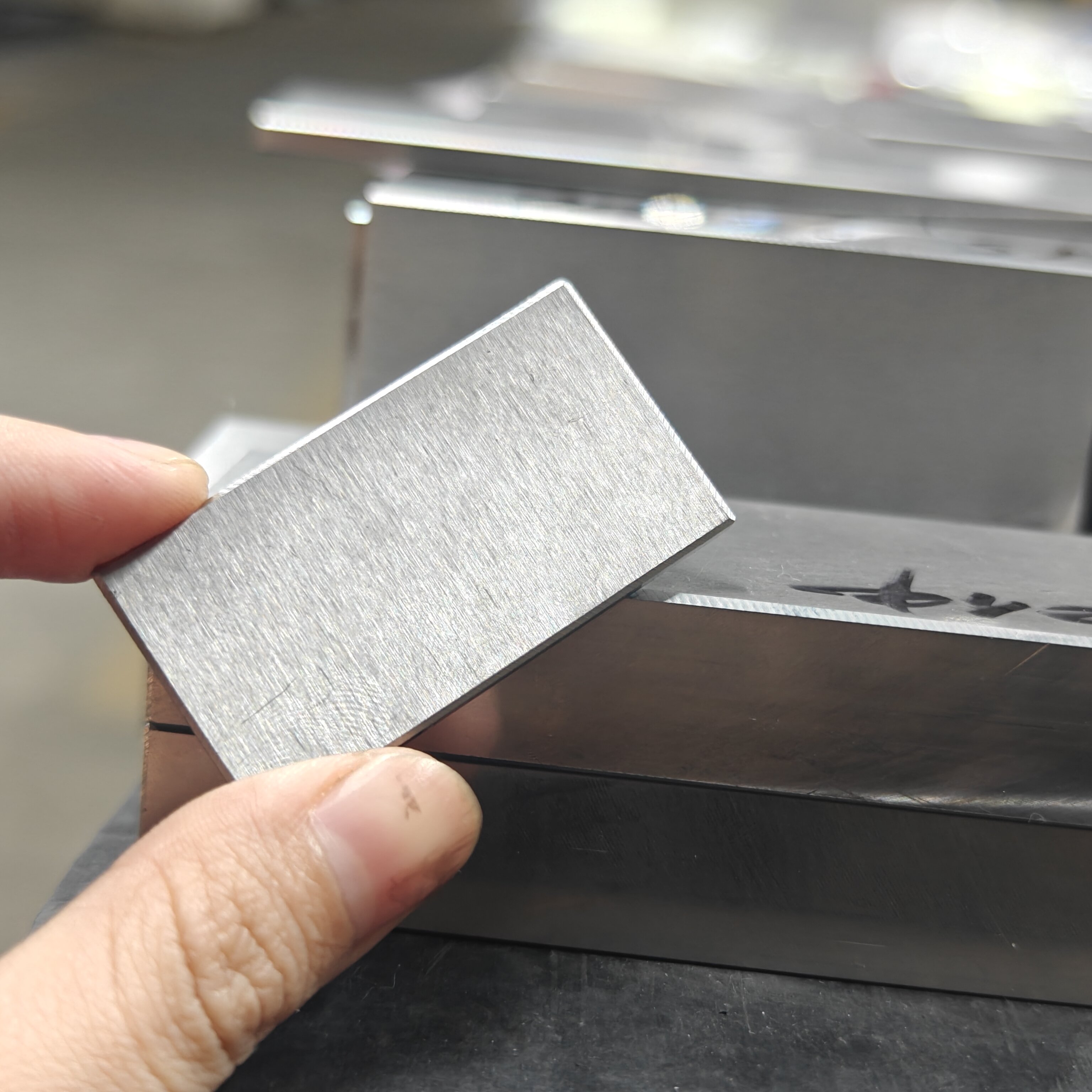
Surface finish refers to the texture and smoothness of a machined surface, typically characterized by parameters such as roughness (Ra), waviness, and surface pattern.
Even a surface that appears smooth to the naked eye contains microscopic peaks and valleys. These small variations influence how the mold performs during operation.
In mold steel processing, surface finish is usually controlled through machining, grinding, polishing, or other finishing methods depending on the application requirements.
3.How Surface Finish Affects Mold Performance
3.1. Influence on Product Quality
The surface condition of mold steel directly determines the surface quality of molded products. A smoother mold surface produces parts with better appearance and fewer defects.
If the surface is too rough, it may cause:
- Flow marks
- Surface defects
- Poor product aesthetics
This is especially critical for products requiring high visual quality, such as consumer electronics and automotive components.
3.2. Impact on Wear Resistance and Mold Life
Surface finish has a direct impact on friction and wear behavior. Rough surfaces increase contact friction, which accelerates wear and reduces mold life.
A properly finished surface:
- Reduces friction between mold and material
- Improves wear resistance
- Extends service life
Surface roughness is a key factor affecting friction, durability, and overall performance of components.
3.3. Effect on Corrosion Resistance
Surface finish also influences corrosion behavior. A smoother surface is less likely to trap moisture or contaminants, which reduces the risk of corrosion.
Conversely, rough surfaces may create micro-pockets that:
l Retain moisture
l Accelerate oxidation
l Reduce mold durability
Different surface finishes can significantly affect corrosion resistance and long-term performance.
3.4. Impact on Machining and Processing
Surface finish affects subsequent manufacturing operations. For example:
- Rough surfaces may require additional finishing processes
- Poor finish can increase machining difficulty
- Surface condition influences lubrication and contact behavior
Proper surface roughness ensures better interaction between tooling and material during processing.
3.5. Role in Mold Release and Production Efficiency
Surface finish plays a key role in mold release behavior:
- Smooth surfaces help parts release easily
- Rough surfaces may cause sticking or defects
- Improved finish reduces cycle time and improves efficiency
In high-volume production, even small improvements in surface finish can significantly increase productivity.
4. Surface Roughness and Measurement
Surface roughness is typically measured using parameters such as Ra (average roughness), which represents the average deviation of the surface profile.
Lower Ra values indicate smoother surfaces, while higher values indicate rougher textures.
Typical roughness ranges in mold steel processing include:
| Rough machining | Ra 3.2 – 6.3 μm |
| Fine machining | Ra 0.8 – 1.6 μm |
| Grinding | Ra 0.2 – 0.8 μm |
| Polishing | Ra < 0.1 μm |
Selecting the correct roughness level depends on the mold’s function and application.
5.How to Control Surface Finish in Mold Steel Machining
To achieve optimal surface finish, manufacturers should focus on:
- Using proper cutting parameters (speed, feed rate, depth)
- Selecting high-quality cutting tools and abrasives
- Ensuring machine stability to avoid vibration
- Applying suitable grinding and polishing processes
- Performing final surface finishing based on application needs
Consistency is also critical—maintaining the same surface finish across batches ensures stable production and product quality.
6. Conclusion
Surface finish is a key factor in mold steel processing that directly affects product quality, mold life, corrosion resistance, and production efficiency.
By properly controlling surface roughness and finishing processes, manufacturers can significantly improve mold performance and reduce operational costs.
For mold steel applications, achieving the right balance between surface quality and manufacturing efficiency is essential for long-term success.