

In the machining industry, 45# steel has always been a frequently used medium-carbon structural steel. Whether it's shaft parts, gears, connectors, or key structural components in various mechanical equipment, many factories prioritize 45# steel. Especially in CNC machining, mold manufacturing, automation equipment, and construction machinery, 45# steel has almost become one of the "basic materials." So, why does the machining industry use 45# steel so extensively?
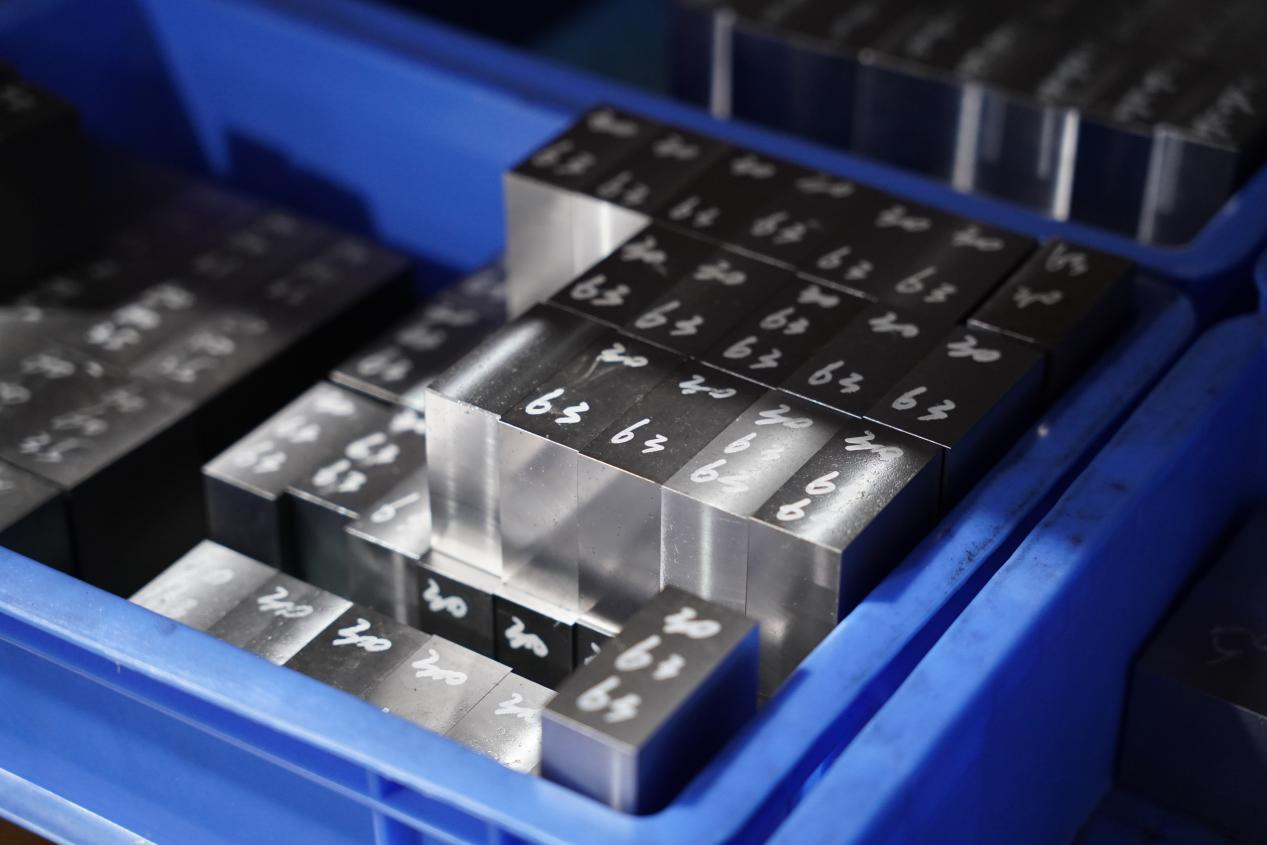
Firstly, one of the biggest advantages of 45 steel is its excellent balance between strength and machinability. Compared to ordinary low-carbon steel, 45 steel has higher hardness and tensile strength, meeting the wear resistance and load-bearing capacity requirements of most mechanical parts; at the same time, it is not as difficult to machine as high-alloy steel, thus effectively reducing tool wear and machining costs. Many machine shops have long used 45 steel because it ensures product performance without significantly increasing production difficulty.
In terms of material composition, 45 steel contains approximately 0.45% carbon, hence its name. This moderate carbon content gives it excellent heat treatment properties. After tempering, quenching, or high-frequency treatment, 45 steel can significantly improve its surface hardness and wear resistance while maintaining good internal toughness, making it ideal for manufacturing mechanical parts that require long-term operation. Many drive shafts, gears, pins, and couplings use 45 steel because it balances strength and durability after heat treatment.
Furthermore, 45 steel exhibits very stable machinability. In processes such as turning, milling, drilling, and tapping, 45 steel produces relatively stable chips and achieves good surface finish. This is crucial for high-volume machining, as stable machinability translates to higher production efficiency and lower defect rates. Many CNC machining plants use 45 steel as their standard machining material because it is suitable for continuous batch production and offers easy control over dimensional accuracy.
Cost is also a major reason for the widespread use of 45# steel. Compared to mold steel, alloy steel, or stainless steel, the procurement cost of 45# steel is more reasonable, and the market supply is very stable. For most ordinary mechanical parts, there is no need to use more expensive special steels, and 45# steel can meet the requirements of most working conditions. Therefore, for many machinery manufacturing companies, 45# steel is a material choice with a "very high cost-performance ratio".
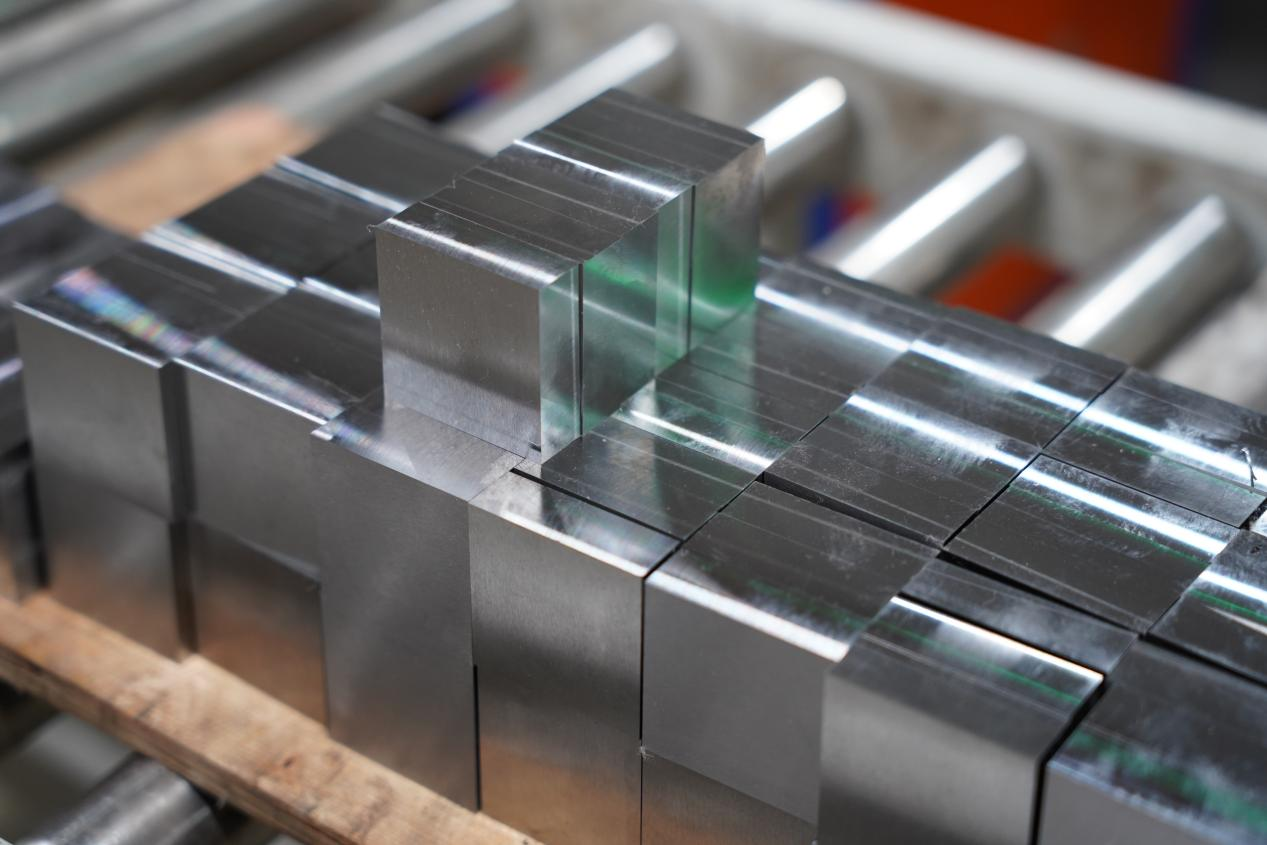
Currently, 45# steel is widely used in automation equipment, automotive parts, construction machinery, agricultural machinery, and general equipment manufacturing industries. With the development of CNC machining technology, 45# steel continues to maintain very high market demand. For the machining industry, it is not only a traditional material, but also an important industrial steel that balances processing efficiency, mechanical performance, and cost control.
To learn more about our solutions and services, please contact us for more information.
FAQ
1. What is 45 steel equivalent to in international standards?
45 steel is generally equivalent to AISI 1045 steel.
2. Is 45 steel suitable for CNC machining?
Yes. It offers stable machinability and good surface finishing performance.
3. Can 45 steel be heat treated?
Yes. It responds well to quenching, tempering, and induction hardening.
4. Why is 45 steel widely used in machinery manufacturing?
Because it provides a good balance of strength, durability, machinability, and cost efficiency.