

Why is the control method of a grinding machine so important?
The control method of a grinding machine directly affects machining accuracy, operational stability, and processing efficiency, and is also closely related to the operator's technical skill level and equipment cost. Whether you are a processing plant owner, technical engineer, or production manager, understanding the differences between these three control types will help you select the most suitable equipment for your company and enhance its competitiveness.
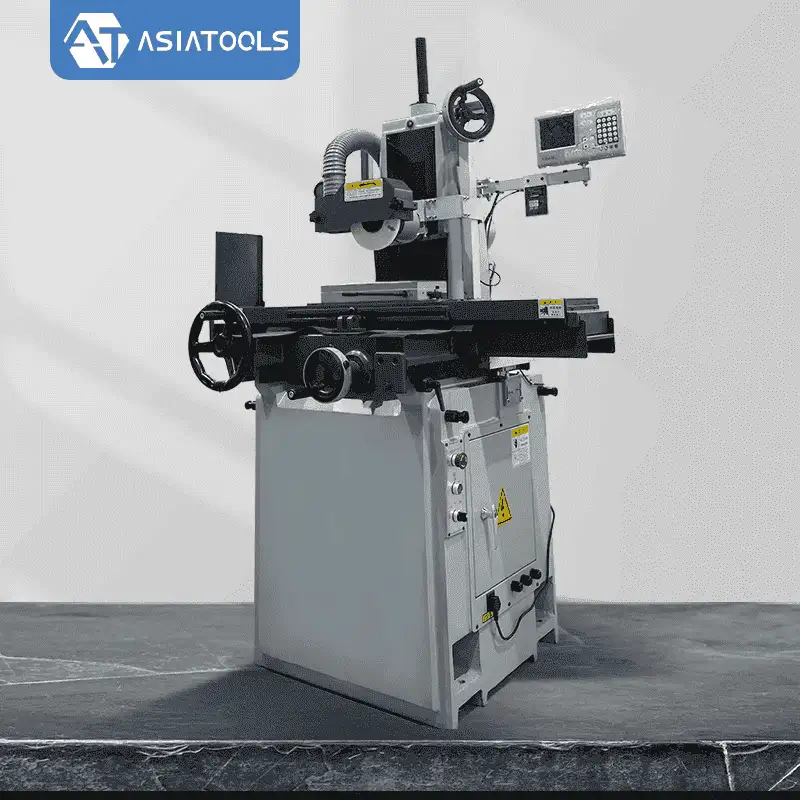
Traditional manual grinding machine
A flexible partner for technicians
Features
Feed and control are performed via a manual joystick.
Processing mainly relies on the experience and feel of the technicians.
Advantage
Lowest price, low entry cost
Suitable for single-piece prototyping, small-batch processing or repair
The operation method is flexible and can be freely adjusted by skilled operators.
Shortcoming
Relying on manpower and technical experience, its stability is not high.
The program cannot be memorized; it needs to be reset for each processing cycle.
It is difficult to meet the needs of large-scale or high-precision manufacturing processes.
NC Grinding Machine
Simplified automation transition options
Features
Digital control systems use preset programs or simple parameter inputs for processing.
Commonly found in jobs that only require "positioning and simple motion control".
Advantage
Simpler to operate than manual, improving human factor stability
It has high machining accuracy and is suitable for medium-level machining needs.
The cost is lower than that of CNC machine models, and the investment threshold is moderate.
Shortcoming
The program editing function is limited and not suitable for complex contours and diverse parts.
It does not support advanced automation equipment such as CAD/CAM and probes.
It will be difficult to meet the future upgrade needs of smart manufacturing.
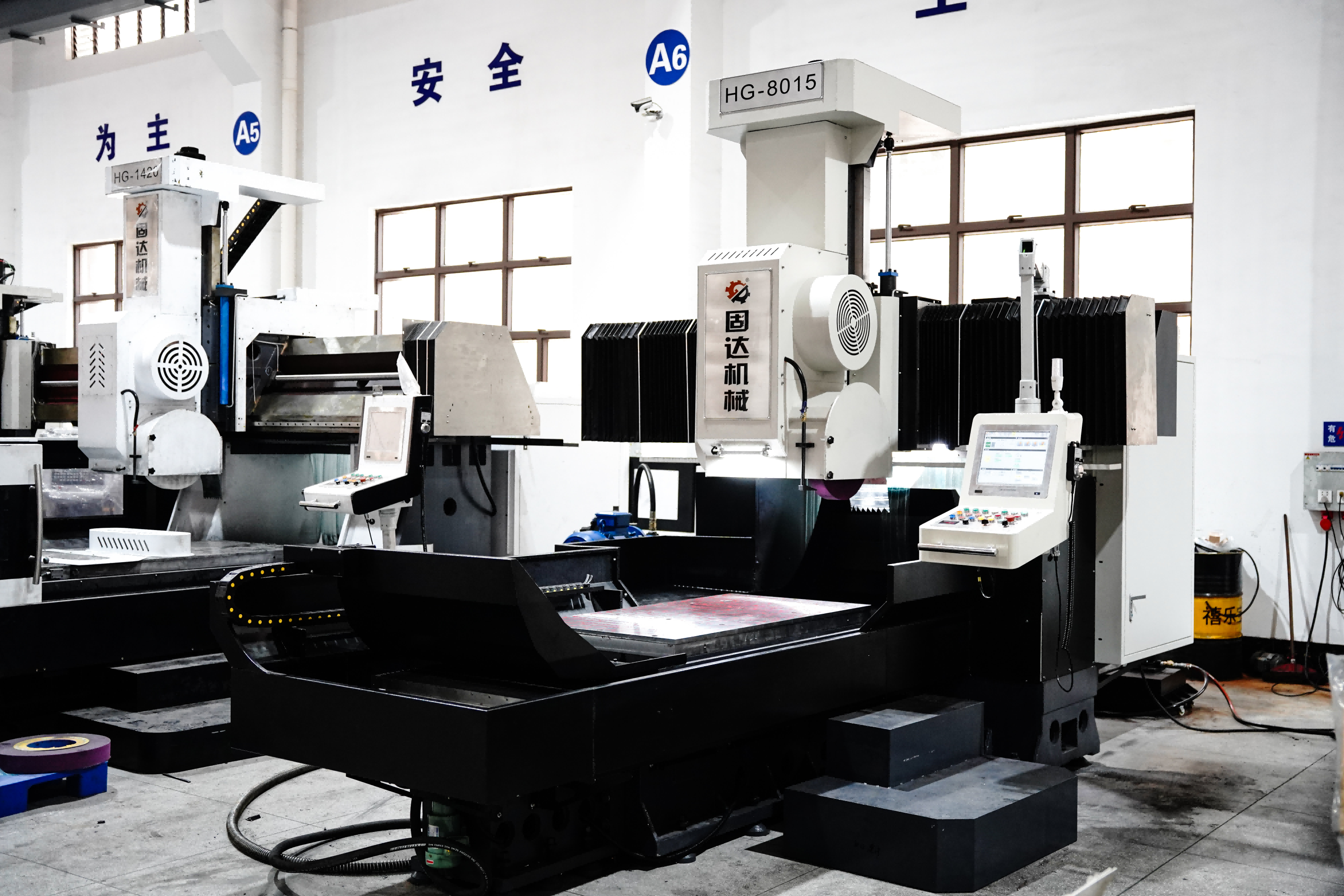
CNC grinding machine
High-precision and automated main models
Features
It has a complete computer numerical control system and allows for free programming of program paths.
It can be integrated with CAD/CAM systems, measurement probes, automatic loading and unloading, automatic correction and other functions.
Advantage
High processing consistency and stable repeatability
Supports processing needs for various complex contours and special shapes.
Highly automated, suitable for long-term unmanned operation
Supports data storage, historical records, and smart upgrades.
Shortcoming
High equipment and training costs
The initial learning curve is somewhat steep, requiring basic programming skills.
For small and medium-sized processing plants, accurate assessment of investment recovery is necessary.
