

How to Extend the Lifespan of Mold Bases (Mold Blanks) Through Proper Mold Steel Maintenance
In injection molding or stamping production, the mold base (mold blank) is the "skeleton" of the entire mold. It provides precise mounting positions and stable support for core components such as cavities, slides, and ejector pins. However, many manufacturers often only focus on the steel used in the cavity section, neglecting the maintenance of the mold base itself and the long-term performance of its core material—the mold steel.
A well-maintained mold base can extend its lifespan by more than 30%. This article will share three core strategies to help you protect your mold base investment and reduce production downtime.
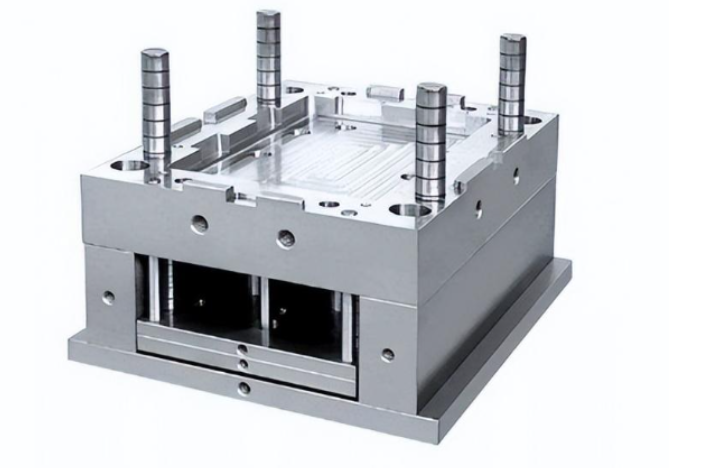

1. Start from the Source: Choose the Right Mold Steel
The cornerstone of mold base performance is the material. Many early mold base failures (such as guide post hole wear and template deformation) are related to improper steel selection.
For standard mold bases (such as mold blanks): P20 mold steel or 45# steel is generally recommended. P20 has good polishability and wear resistance, suitable for mass production; 45# steel is economical and practical, suitable for trial molding or small-batch production.
High-Requirement Applications: If the mold needs to withstand high impact or high closing speed, consider using tool steels with better toughness, such as H13 or S7, for dynamic components of the mold base (e.g., moving platens).
Internal Link Suggestion: You can add an internal link here to the product details page, for example: "Learn more about our [P20 mold steel] (link to specific page) for detailed performance parameters."
2. Precision Machining: Ensuring Original Mold Base Accuracy
The accuracy of the mold base directly determines the assembly quality and repeatability of mold closing. Even a deviation of 0.01mm can lead to premature wear of guide pillars or core misalignment under long-term high-speed mold opening and closing.
Machining Key Points: The guide pillar holes, return holes, and locking surfaces of the mold base must be machined in one setup using a CNC machining center to ensure positional accuracy.
Surface Treatment: It is recommended that sliding components of the mold base (such as guide pillars and guide sleeves) undergo nitriding or hard chrome plating, which can significantly reduce the coefficient of friction and decrease maintenance frequency.
Internal Link Suggestion: This link leads to the machining service page: "We offer high-precision [mold frame CNC machining] (link to specific page) services, with tolerances controlled within ±0.01mm."
3. Routine Maintenance and Common Troubleshooting
This is the most common question from users: "Why does my mold frame start to wobble after two years?" The answer usually lies in routine maintenance.
Regular Lubrication: This is the simplest but most easily overlooked step. High-temperature lithium-based grease should be added weekly to the guide pillars, guide sleeves, and ejector plate guide pillars. Insufficient lubrication is the primary cause of mold frame jamming and wear.
Check Tightness: Before each mold is put into operation, be sure to check whether the locking screws and lifting eye holes around the mold frame are loose. Fatigue cracks often start from these stress concentration points.
Rust Protection: After shutdown, spray a neutral rust inhibitor on the mold frame surface (especially non-working surfaces). Especially in humid southern factories, rust on the mold frame will directly affect its flatness and fit clearance.
4. When is it necessary to replace or repair the mold frame? Even with careful maintenance, mold sets have a lifespan. Repair or replacement should be considered if the following signs appear:
Excessive clearance between guide pillars and guide bushings: A wobbly feel can be felt by hand, or there is abnormal noise when the mold closes.
Excessive flatness of the mold plate: When checked with a feeler gauge, the gap at the parting surface exceeds 0.05mm in some areas after mold closing.
Severe corrosion or cracks: Cracks are especially found in stress areas (such as square iron plates and ejector plates).