

What are Machined Parts and Components?
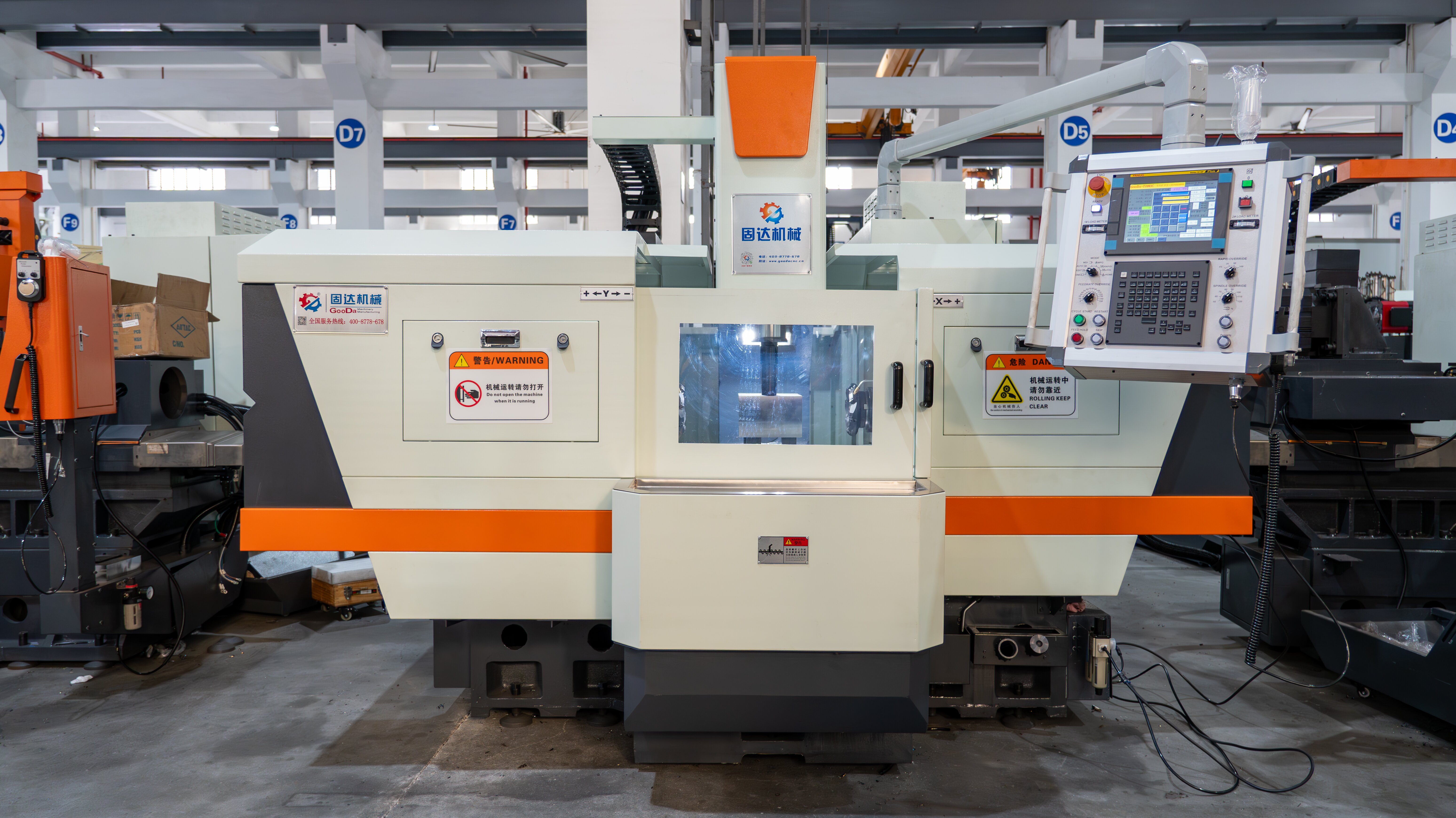
Machined parts are precision components shaped from metal or plastic blanks into a target form using equipment such as lathes, milling machines, and drilling machines. Their manufacturing methods are mainly divided into two types: manual machining relying on skilled workers' experience, and fully automated CNC machining controlled by pre-programmed instructions. CNC machining, due to its high precision, high repeatability, and high efficiency, has become the core production method for complex and customized parts. In some scenarios, machining is also used as a secondary process to refine the key features of cast or forged parts.
Core Machining Technologies
Different technologies shape the key features of parts. Common methods include:
Milling: Creating complex planes, grooves, and contours using rotary cutting tools.
Turning: Forming cylindrical features, such as shafts and bushings, by rotating the workpiece.
Drilling: Machining circular holes of varying depths and diameters in various materials.
Grinding: Achieving ultimate surface finish and dimensional accuracy using grinding wheels.
Electrical Discharge Machining (EDM): Used to machine complex cavities and sharp corners in hard metals.
Laser cutting: using a high-energy beam to achieve non-contact precision cutting of thin plates.
Materials, Surface Treatments, and Applications
Machining can process a variety of materials. Commonly used metals include aluminum, stainless steel, titanium, and brass; plastics include ABS, POM, PEEK, and polycarbonate.
Surface treatments can further enhance the performance and appearance of parts:
Beading: Achieves a uniform matte surface, concealing machining marks.
Anodizing: Enhances the corrosion resistance of aluminum parts and imparts color.
Powder Coating: Forms a wear-resistant, thick, colored coating.
Polishing: Achieves a mirror-like shine.
How to Choose a Supplier?
When selecting a reliable machining supplier, consider the following:
Certifications: Verify that they possess quality management system certifications such as ISO 9001.
Technology and Communication: Assess their ability to handle complex drawings and provide DFM (Design for Manufacturing) advice.
Equipment and Scale: Understand whether their machining capabilities match the size and precision requirements of your parts.
Reputation: Understand their delivery quality and reliability through case studies or customer feedback.