

1.Key Factors When Choosing Mold Steel for CNC Machining
(1) Machinability
Machinability is one of the first factors to consider during mold steel selection.
Steels with good machinability:
Reduce cutting resistance
Improve tool life
Increase machining efficiency
Produce better surface finishes
Pre-hardened mold steels are widely used because they offer stable machining performance without requiring additional heat treatment after rough machining.
For large mold manufacturing, good machinability is especially important for reducing machining time and improving production stability.
(2) Hardness and Wear Resistance
Different mold applications require different hardness levels.
Higher hardness generally provides:
Better wear resistance
Longer mold life
Improved surface durability
However, excessively high hardness may increase machining difficulty and tool wear.
For example:
P20 mold steel is commonly used for general plastic molds
H13 mold steel is suitable for high-temperature applications
718 mold steel offers improved polishing performance and hardness uniformity
Choosing the appropriate hardness balance is essential for both machining efficiency and final mold performance.
(3) Dimensional Stability
During CNC machining, mold steel with poor dimensional stability may deform due to internal stress release or heat generation.
Good dimensional stability helps:
Reduce deformation risk
Improve machining accuracy
Maintain mold consistency
For large mold bases and precision molds, pre-hardened steels with uniform hardness distribution are often preferred.
(4) Surface Finish Requirements
Some molds require excellent polishing performance and smooth surface quality, especially in industries such as:
Automotive parts
Consumer electronics
Optical products
Medical components
In these applications, mold steels with good polishing properties and low impurity levels are usually recommended.
(5) Application Environment
The operating environment of the mold also affects material selection.
For example:
Plastic injection molds require good machinability and polishing performance
Die-casting molds require high thermal resistance
High-volume production molds need better wear resistance and toughness
Selecting the appropriate steel according to production conditions helps extend mold service life.
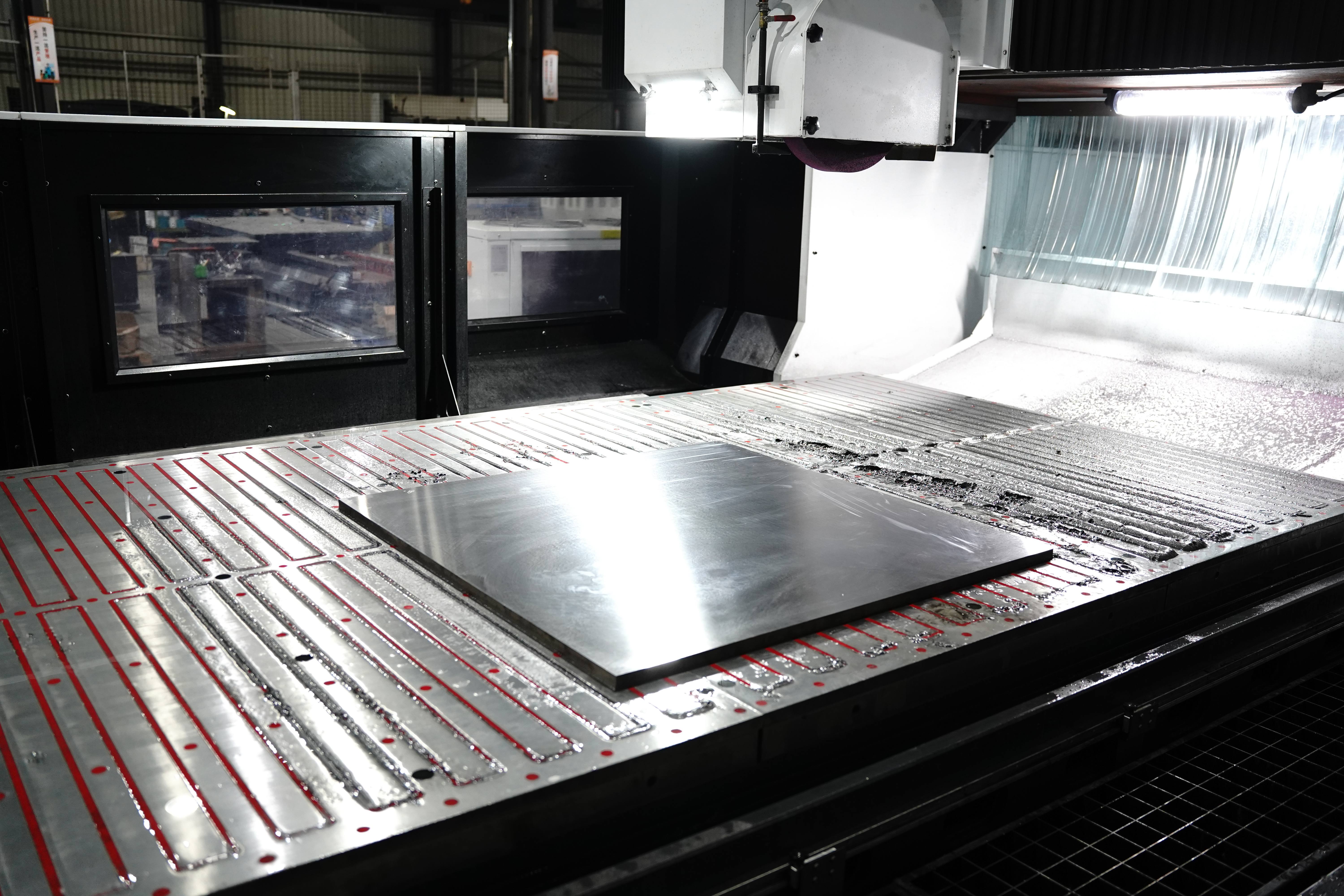
2.Common Mold Steels Used in CNC Machining
P20 Mold Steel:Widely used for plastic molds due to its good machinability and balanced hardness.
718 Mold Steel:Offers better polishing performance and improved hardness uniformity compared with standard P20 steel.
H13 Mold Steel:Suitable for high-temperature working environments and die-casting molds because of its excellent heat resistance.
S136 Mold Steel:Commonly used for high-precision molds requiring corrosion resistance and superior surface finish.
3.How Proper Mold Steel Selection Improves CNC Machining
Choosing suitable mold steel can significantly improve:
Machining efficiency
Surface quality
Tool life
Dimensional accuracy
Production stability
Proper material selection also helps reduce machining defects, rework costs, and mold maintenance requirements.
4.Conclusion
Selecting the right mold steel is essential for achieving stable CNC machining performance and high mold quality.
Factors such as machinability, hardness, dimensional stability, surface finish, and application requirements should all be considered during material selection.
By choosing suitable mold steel materials, manufacturers can improve machining efficiency, reduce production costs, and extend mold service life.
FAQ:
1. Why is mold steel selection important in CNC machining?
Mold steel directly affects machining efficiency, dimensional stability, surface quality, and mold service life. Choosing the right material helps improve production performance and reduce machining problems.
2. Which mold steel is commonly used for plastic molds?
P20 mold steel is one of the most widely used materials for plastic mold manufacturing because of its good machinability and balanced hardness.
3. What factors affect mold steel machinability?
Hardness, material composition, heat treatment condition, and internal cleanliness all influence machinability and cutting performance.
4. Which mold steel is suitable for high-temperature applications?
H13 mold steel is commonly used for die-casting and high-temperature mold applications due to its excellent thermal resistance and toughness.
5. How can suitable mold steel improve machining quality?
Proper mold steel selection helps reduce deformation, improve surface finish, increase tool life, and maintain dimensional accuracy during CNC machining.