

1. Introduction
CNC grinding is a critical process in modern metal manufacturing, known for its ability to deliver high precision and superior surface finishes.
However, even advanced CNC grinding machines can encounter various issues that affect product quality and production efficiency.
Most grinding problems fall into two main categories: surface quality defects and productivity issues. Identifying the root cause is essential to improving machining performance and reducing costs.
In this article, we explore the most common CNC grinding problems and provide practical solutions to help optimize your operations.
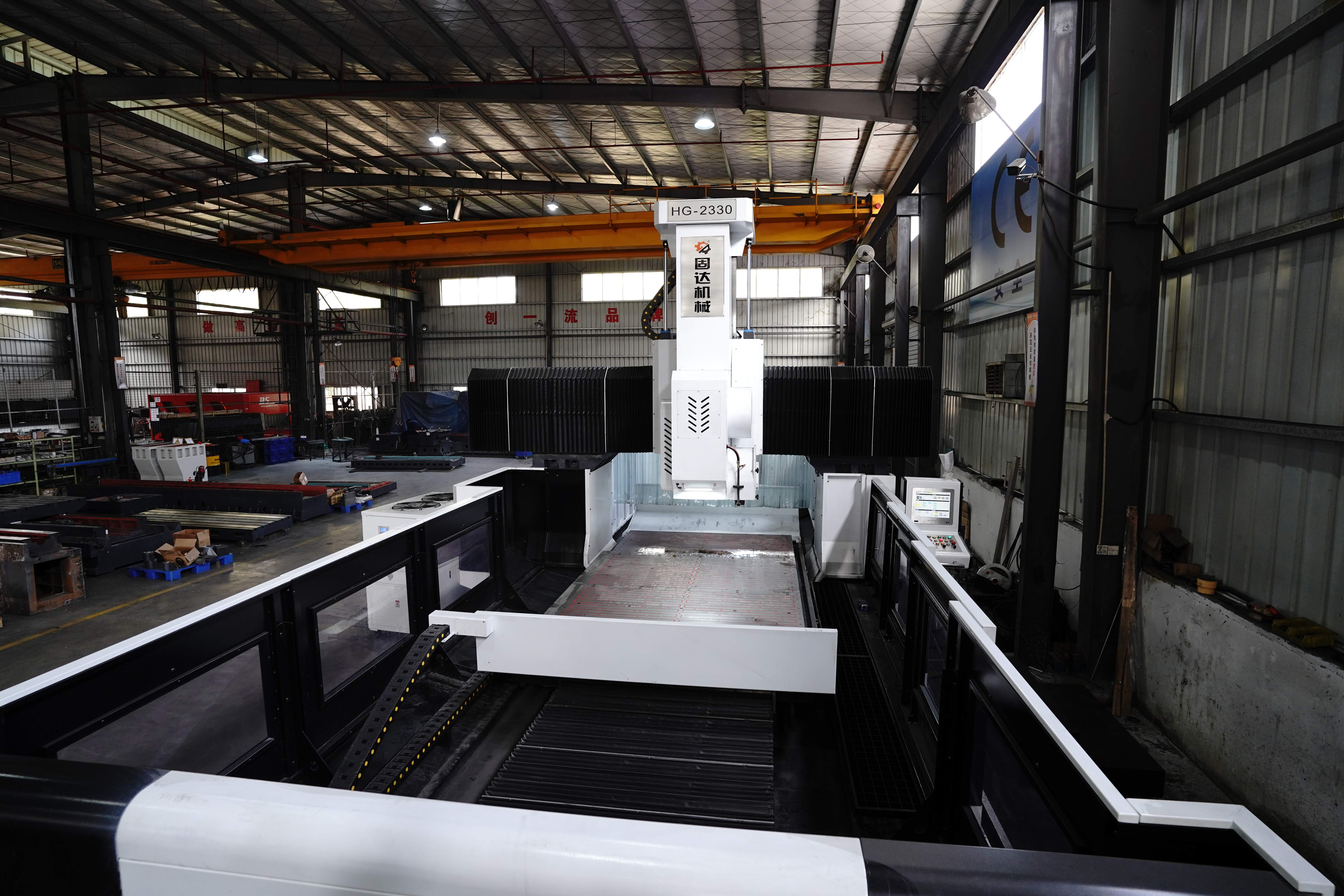
2. Poor Surface Finish
2.1 Problem
A rough or uneven surface finish is one of the most common issues in CNC grinding.
2.2 Causes
Incorrect grinding wheel grit size
- Wheel wear or glazing
- Improper feed rate or speed
- Insufficient coolant
These factors can increase chip size and result in a rough surface.
2.3 Solutions
- Use a finer grit grinding wheel
- Optimize feed rate and wheel speed
- Ensure proper coolant flow
- Regularly dress the grinding wheel
3. Chatter and Vibration
3.1 Problem
Chatter appears as visible vibration marks or patterns on the workpiece surface.
3.2 Causes
- Imbalanced grinding wheel
- Machine instability or loose components
- Incorrect grinding parameters
Chatter is often caused by vibration or resonance in the grinding system.
3.3 Solutions
- Balance and true the grinding wheel
- Adjust machine speed (±10%)
- Improve machine rigidity and setup
4. Burning of the Workpiece
4.1 Problem
Burning refers to thermal damage, including discoloration and structural changes.
4.2 Causes
- Excessive heat due to friction
- Glazed or dull grinding wheel
- High feed rate or pressure
- Poor coolant application
Thermal damage can affect both appearance and material properties.
4.3 Solutions
- Reduce feed rate and grinding pressure
- Improve coolant flow
- Dress the grinding wheel properly
5. Short Grinding Wheel Life
5.1 Problem
Grinding wheels wear out too quickly, increasing costs.
5.2 Causes
- Incorrect wheel hardness
- Improper material matching
- Excessive dressing
- Low coolant efficiency
5.3 Solutions
- Select the correct grinding wheel material
- Optimize dressing frequency
- Improve cooling conditions
An unsuitable wheel can either wear too fast or become clogged.
6. Slow Cutting Efficiency
6.1 Problem
Low material removal rate reduces productivity.
6.2 Causes
- Incorrect wheel type
- Low grinding speed
- Conservative cutting parameters
6.3 Solutions
- Use a more suitable grinding wheel
- Increase wheel speed appropriately
- Optimize process parameters
Grinding efficiency depends heavily on correct parameter selection.
7. Grinding Wheel Not Cutting
7.1 Problem
The grinding wheel fails to remove material effectively.
7.2 Causes
- Wheel glazing
- Incorrect dressing
- Improper wheel selection
7.3 Solutions
- Dress the wheel to expose sharp grains
- Select a more suitable abrasive structure
A glazed wheel reduces cutting ability and increases heat generation.
8. How to Prevent CNC Grinding Problems
To minimize grinding defects, manufacturers should focus on process optimization and equipment selection.
Key recommendations:
- Select the correct grinding wheel for each material
- Maintain proper machine setup and stability
- Monitor coolant systems
- Regularly inspect and dress grinding wheels
Most grinding issues can be traced back to basic process principles and correct parameter settings.
9. Improve Your Grinding Performance with the Right Equipment
High-quality equipment plays a crucial role in reducing grinding problems.
Our solutions help manufacturers:
- Achieve stable and precise grinding performance
- Reduce defects and scrap rates
- Improve production efficiency
If you are experiencing grinding issues, our team can help you choose the right solution based on your application.
10. Conclusion
CNC grinding problems are common, but they are also highly manageable when the root causes are properly understood.
By optimizing grinding parameters, selecting the right tools, and maintaining equipment, manufacturers can:
- Improve surface quality
- Increase efficiency
- Reduce operational costs
A systematic approach to troubleshooting is the key to achieving consistent and high-quality grinding results.
FAQ:
1. What are the most common CNC grinding problems?
The most common problems include poor surface finish, chatter, burning, slow cutting, and grinding wheel wear.
2. What causes poor surface finish in CNC grinding?
It is usually caused by incorrect grinding wheel selection, improper speed settings, or insufficient coolant.
3. How can I reduce grinding vibration?
Ensure the grinding wheel is balanced, improve machine stability, and adjust grinding speed.
4. Why does grinding cause burning?
Burning occurs due to excessive heat, often caused by high pressure, dull wheels, or poor cooling.
5. How to improve CNC grinding efficiency?
Use the correct grinding wheel, optimize parameters, and maintain proper machine conditions.