

1. Introduction
In modern manufacturing, CNC milling and CNC grinding are two fundamental machining processes used to produce high-precision components. Although they may appear similar, each method serves a distinct purpose and uses different techniques.
Understanding their differences is essential for manufacturers looking to improve efficiency, precision, and product quality in metal processing.
2. What is CNC Milling?
CNC milling is a machining process that removes material using rotating cutting tools. These tools feature multiple cutting edges that shape the workpiece into complex geometries with high precision.
2.1 Types of CNC Milling
- Vertical milling
- Horizontal milling
- Multi-axis CNC milling
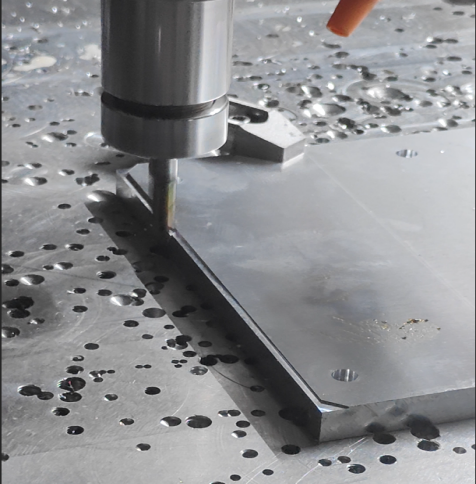
2.2 Typical Applications
- Creating flat surfaces and contours
- Machining slots, grooves, and pockets
- Producing complex mechanical components
3. What is CNC Grinding?
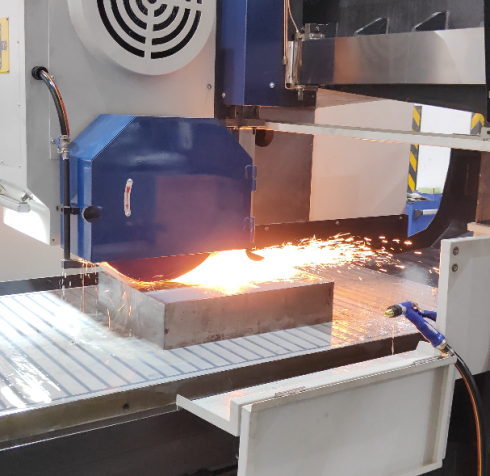
CNC grinding is a finishing process that uses abrasive wheels to remove material and achieve extremely smooth surfaces and tight tolerances.
Unlike milling, grinding is mainly used in the final stage of machining to enhance accuracy and surface quality.
Types of CNC Grinding:
- Surface grinding
- Cylindrical grinding
- Centerless grinding
4. Key Differences Between CNC Milling and CNC Grinding
Below is a direct comparison of these two machining processes:
| Criteria | CNC Milling | CNC Grinding |
| Cutting Method | Rotating cutting tools | Abrasive grinding wheel |
| Material Removal | Cutting process | Abrasion process |
| Surface Finish | Medium to fine | Ultra-fine finish |
| Processing Speed | Faster | Slower but more precise |
| Application Stage | Roughing & shaping | Finishing & precision |
5. Advantages of CNC Milling and Grinding
5.1 Advantages of CNC Milling
CNC milling is widely used due to its versatility and efficiency.
Key Benefits:
- High material removal rate
- Ability to create complex shapes
- Suitable for a wide range of materials
- High productivity in mass production
This makes CNC milling ideal for the initial shaping stage of components.
5.2 Advantages of CNC Grinding
CNC grinding excels in precision and finishing performance.
Key Benefits:
- Superior surface finish
- Extremely tight tolerances
- Ideal for hardened materials
- High dimensional accuracy
Grinding is especially effective for parts that require perfect flatness and smooth surfaces.
6. Applications of CNC Milling and Grinding
Both processes are widely used across industries but serve different roles.
6.1 CNC Milling Applications
- Automotive components
- Aerospace structures
- Mold and die machining
- General metal fabrication
6.2 CNC Grinding Applications
- Precision tooling
- Bearing surfaces
- High-accuracy industrial parts
- Post-heat-treatment finishing
In practical manufacturing processes, CNC milling and CNC grinding are often used together rather than as separate alternatives. CNC milling is typically applied in the initial stage to shape and remove bulk material efficiently, while CNC grinding is used in the final stage to achieve superior surface finish and high dimensional accuracy. This combination allows manufacturers to balance efficiency and precision, ensuring optimal performance and quality of the finished components.
7. How to Choose Between CNC Milling and CNC Grinding
Choosing the right process depends on your production requirements.
7.1 Choose CNC Milling When:
- You need fast material removal
- The part requires complex shapes
- Production efficiency is a priority
7.2 Choose CNC Grinding When:
- High precision is required
- Surface finish is critical
- You are working with hardened materials
8. Why CNC Grinding Machines Are Essential
While milling is essential for shaping, grinding is critical for achieving final product quality.
Our machines help manufacturers:
- Achieve higher precision
- Improve surface quality
- Reduce scrap rates
- Increase production efficiency
9. Conclusion
CNC milling and CNC grinding are complementary processes in modern manufacturing.
Milling provides efficient shaping.
Grinding ensures precision finishing.
By combining both technologies, manufacturers can optimize production and achieve superior results
FAQ:
1. What is the main difference between CNC milling and CNC grinding?
CNC milling uses cutting tools to remove material, while CNC grinding uses abrasive wheels to achieve higher precision and smoother finishes.
2. Which process is more precise?
CNC grinding is more precise and is typically used for finishing operations requiring tight tolerances.
3. Can CNC milling replace grinding?
No, milling is mainly for shaping, while grinding is essential for achieving final surface quality and accuracy.
4. What materials are suitable for CNC grinding?
CNC grinding is ideal for hardened steel, stainless steel, and other difficult-to-machine materials.
5. How do I choose the right CNC process?
Choose milling for speed and shaping, and grinding for precision and finishing.