

45 steel (C45 or AISI 1045) is a typical medium-carbon structural steel widely used in machinery manufacturing, equipment processing, and automotive parts production. Compared to low-carbon steel, 45 steel has higher strength and wear resistance while maintaining good machinability, making it commonly used in the manufacture of shafts, gears, and various mechanical structural components. However, in actual production, the performance of 45 steel largely depends on the heat treatment process. If the steel is not properly heat-treated, its hardness, strength, and wear resistance often fail to meet industrial application requirements. Therefore, understanding the heat treatment process of 45 steel and the changes in its properties after heat treatment is crucial for material selection and mechanical design.
In industrial production, common heat treatment methods for 45 steel include normalizing, quenching, and tempering. Normalizing is typically used as a basic processing step, where the steel is heated to approximately 830-850℃ and then air-cooled. This process refines the grain structure, making the material more uniform, and improves the steel's machinability. Many machining companies perform normalizing treatment on 45 steel before finishing to reduce internal stress and improve material stability.
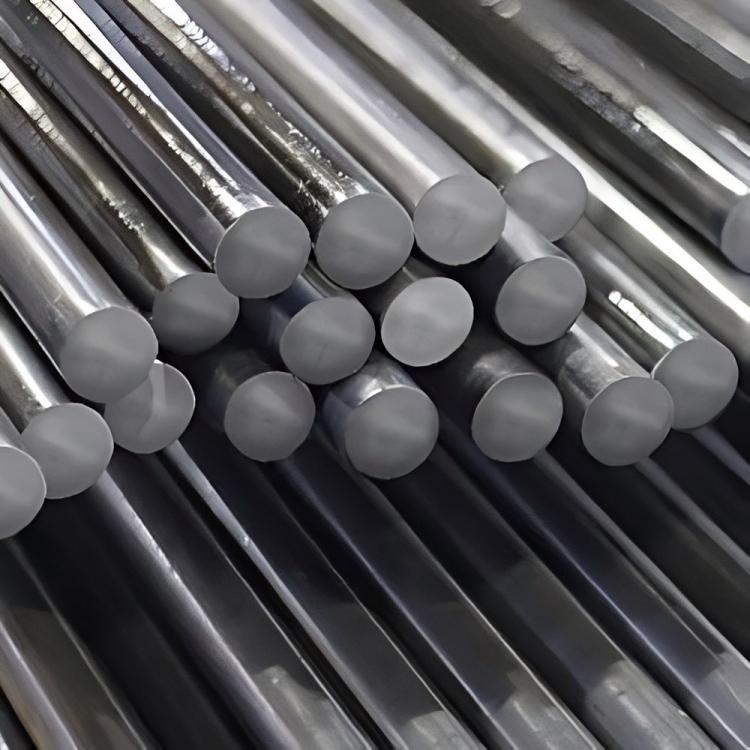
Why are quenching and tempering the most common heat treatment methods for 45 steel?
To further improve the hardness and wear resistance of 45 steel, quenching is necessary. Typically, the steel is heated to 820-840℃ and then rapidly cooled, using water or oil cooling to transform the internal structure into a martensitic structure. Quenching significantly increases the hardness of 45 steel, but also increases its brittleness. Therefore, quenched steel is generally not used directly in engineering applications.
To improve the overall performance of materials, tempering is usually required after quenching. Tempering is generally carried out in the range of 500-600℃. Reheating reduces the internal stress generated during quenching, giving the steel better toughness while maintaining high strength. After quenching and tempering, 45 steel achieves a good balance between hardness, strength, and toughness, making it very suitable for manufacturing mechanical transmission parts, such as shaft components, gears, and connectors.
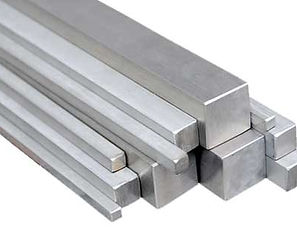
Overall, heat treatment processes have a decisive impact on the properties of 45 steel. Through proper normalizing, quenching, and tempering processes, the hardness and wear resistance of the steel can be significantly improved, while maintaining good toughness and strength. This is a key reason why 45 steel has long been widely used in machinery manufacturing and engineering structures.
To learn more about our solutions and services, please contact us for more information.
FAQ
1. What is the best heat treatment for 45 steel?
The most common treatment is quenching followed by tempering, which provides a balanced combination of hardness, strength, and toughness.
2. How hard can 45 steel become after heat treatment?
After quenching, the hardness can reach about HRC 55–62, and after tempering it usually stabilizes around HRC 42–46.
3. What industries commonly use heat-treated 45 steel?
Machinery manufacturing, automotive parts production, and general engineering industries frequently use heat-treated 45 steel.