

In the machinery manufacturing and equipment processing industry, 45 steel is a widely used medium-carbon structural steel. In international standards, it typically corresponds to AISI 1045, C45, or S45C. With a carbon content of approximately 0.45%, this steel achieves a relatively ideal balance between strength, hardness, and toughness, making it widely used in shaft parts, gears, couplings, and various mechanical structural components. In actual production, engineers often adjust the properties of 45 steel through heat treatment processes such as normalizing, quenching, or tempering, according to the requirements of the parts, to achieve a more suitable state in terms of wear resistance, load-bearing capacity, and impact resistance.
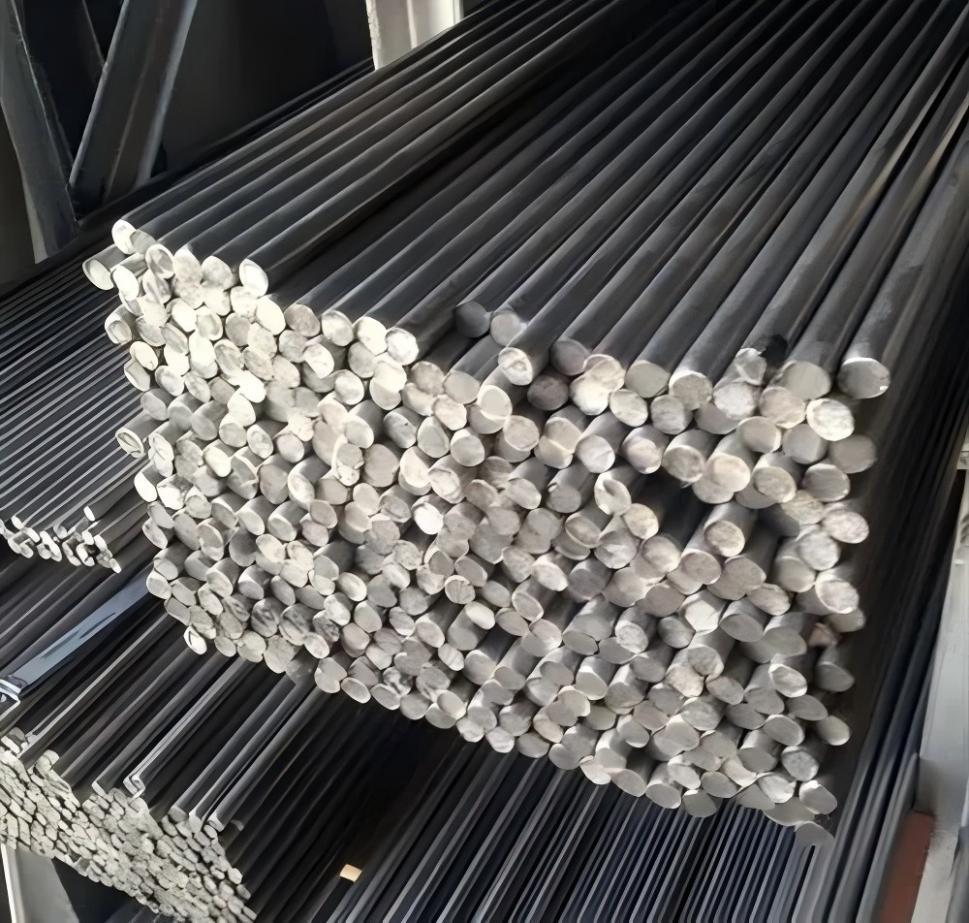

From a hardness perspective, the hardness of 45 steel in its normalized state is typically between 170 and 220 HB. This hardness level meets the basic requirements of most mechanical parts while maintaining good machinability. After quenching and tempering, the hardness can be increased to approximately 28–45 HRC, giving parts better wear resistance and resistance to surface deformation during long-term operation. Therefore, in many applications that require a balance between processing efficiency and service life, 45 steel often becomes a cost-effective material choice.
In terms of strength, 45 steel also exhibits relatively stable mechanical properties. Generally, its tensile strength is approximately 570–750 MPa, and its yield strength is typically not less than 355 MPa. After quenching and tempering, these properties can be further improved, enabling the material to withstand larger mechanical loads. This is a key reason why 45 steel is commonly used to manufacture drive shafts, crankshafts, and various load-bearing structural components, as these parts not only need to withstand continuous forces during operation but also need to maintain stable dimensions and structural strength.
In addition to hardness and strength, 45 steel also possesses a certain degree of toughness and plasticity, making it less prone to sudden fracture under impact or repeated loading. Generally, its elongation can reach approximately 14%–18%, indicating that the material can still deform under stress, thereby absorbing some impact energy. This balance of strength and toughness gives 45 steel excellent reliability in mechanical transmission components and structural parts subjected to dynamic loads.
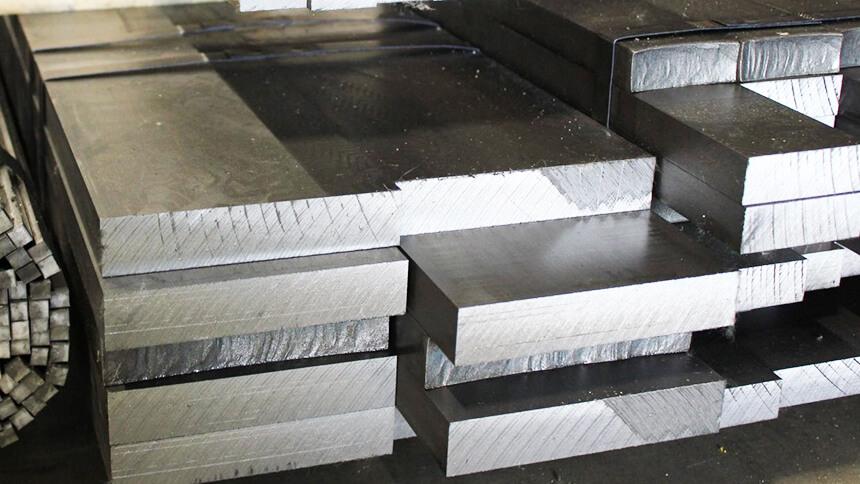

Overall, the main reason why 45 steel has maintained its widespread use in the machinery manufacturing industry for so long is its well-balanced comprehensive performance. On the one hand, it can achieve high hardness and strength through heat treatment to meet the wear resistance and load-bearing requirements of parts; on the other hand, it still retains a certain degree of toughness, making the material less prone to brittle fracture under complex working conditions. Because of this, 45 steel not only possesses stable mechanical properties but also good machinability and cost advantages, making it a very important and practical engineering material in the fields of mechanical parts manufacturing, equipment structural components, and transmission system components.
To learn more about our solutions and services, please contact us for more information.